Get Ductwork Replacement
Ductwork replacement services help property owners upgrade or repair damaged, outdated, or inefficient duct systems to improve heating and cooling performance.
Property owners considering ductwork replacement often seek reliable solutions to improve indoor air quality, enhance energy efficiency, and ensure consistent heating or cooling throughout their spaces. Whether planning a renovation, addressing aging or damaged duct systems, or upgrading for better performance, exploring local contractors can provide valuable options tailored to specific needs. This page is designed to help compare and connect with qualified service providers in the area who specialize in ductwork replacement, making it easier to evaluate available solutions.
By reviewing local contractors, property owners can gather information about different approaches and determine the best way to proceed with their project. Understanding the benefits of replacing old or inefficient duct systems can support informed decisions and successful planning. Keep reading to discover how local service providers can assist with ductwork replacement, ensuring the work aligns with individual property requirements and project goals.
- Ductwork Replacement - needed when existing duct systems are damaged, leaky, or inefficient.
- Residential Duct Replacement - required during home renovations or when upgrading heating and cooling systems.
- Commercial Ductwork Replacement - necessary for businesses updating HVAC infrastructure or addressing airflow issues.
- Old Duct System Overhaul - recommended when ductwork is outdated, corroded, or no longer meets building standards.
- Troublesome Ductwork Repairs - sought when duct leaks or blockages cause uneven heating or cooling performance.
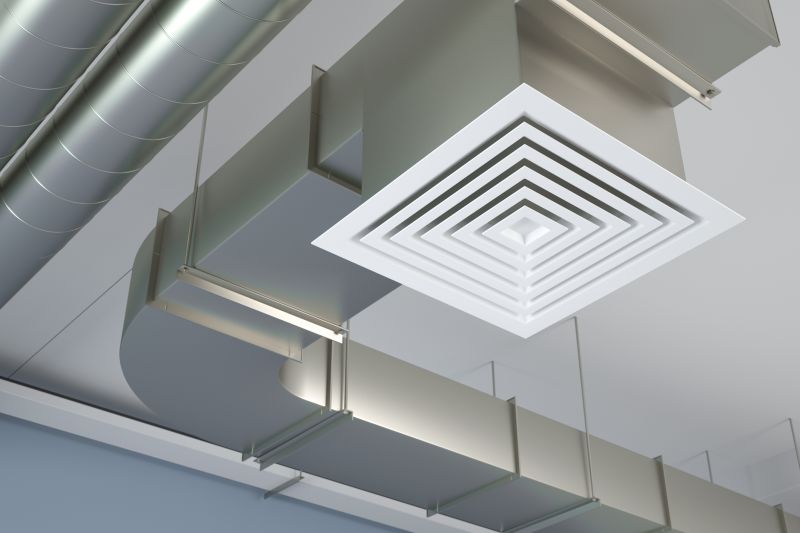
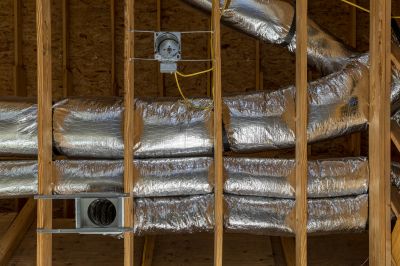
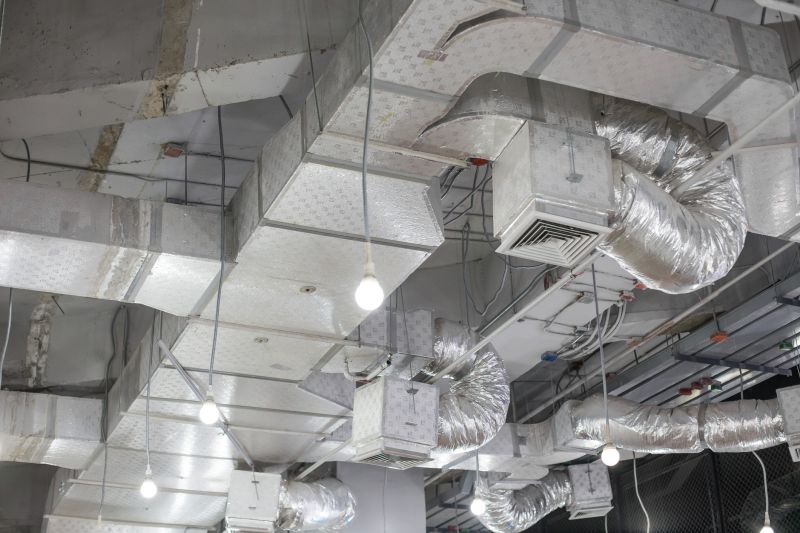
Ductwork replacement services involve removing and installing new duct systems within a property to ensure efficient airflow and proper ventilation. This process typically includes inspecting existing ductwork, removing outdated or damaged sections, and installing new ducts that are properly sealed and insulated. Skilled service providers focus on ensuring the new ductwork is designed to optimize airflow, improve indoor air quality, and enhance the overall comfort of the space. Proper installation is essential to prevent leaks, reduce energy waste, and maintain consistent heating and cooling throughout the property.
Many problems can signal the need for ductwork replacement. Common issues include excessive dust and debris in the home, uneven temperatures across rooms, increased energy bills, or persistent odors that seem to come from the vents. Over time, duct systems can develop leaks, cracks, or corrosion, which compromise their effectiveness. In some cases, ductwork may be improperly installed or become damaged due to age or structural shifts. Replacing outdated or compromised ducts can resolve these issues, leading to better indoor air quality and more efficient climate control.
Ductwork replacement is often necessary in various types of properties, including older homes, newly constructed buildings, or properties undergoing remodels. Residential properties typically require duct replacement when the existing system is no longer functioning properly or has become inefficient. Commercial buildings and multi-family residences may also need duct upgrades to meet updated standards or to accommodate changes in usage. Regardless of the property type, professional local contractors can assess the specific needs and recommend appropriate ductwork solutions to improve system performance.
Homeowners should consider ductwork replacement if they notice signs of inefficient airflow, such as inconsistent heating or cooling, or if their energy bills are unexpectedly high. Additionally, ducts that are visibly damaged, rusted, or infested with mold may require replacement to maintain a healthy indoor environment. A thorough evaluation by experienced service providers can determine whether duct replacement is the best course of action. Contacting local pros ensures that the work is handled by experts who understand the unique requirements of different property types and can deliver effective, long-lasting results.
The overview below groups typical Ductwork Replacement projects into broad ranges so you can see how smaller, mid-sized, and larger jobs often compare in your area.
In many markets, a large share of routine jobs stays in the lower and middle ranges, while only a smaller percentage of projects moves into the highest bands when the work is more complex or site conditions are harder than average.
Smaller Repairs - Typical costs for minor ductwork repairs or patching usually fall between $250 and $600. Many routine jobs land in this middle range, with fewer projects reaching higher amounts for more extensive fixes.
Partial Replacement - Replacing sections of ductwork generally costs between $1,000 and $3,000. Local contractors often handle these projects within this range, depending on the size and complexity of the area being replaced.
Full Duct System Replacement - Complete duct system replacements can range from $3,500 to $7,000 or more. Larger, more complex projects tend to push into the higher tiers, but many standard replacements stay within the mid to upper part of this range.
High-End or Complex Installations - For extensive or custom ductwork projects, costs can exceed $10,000. These are less common and typically involve specialized systems or difficult installation conditions, but local service providers can provide estimates based on specific needs.
Actual totals will depend on details like access to the work area, the scope of the project, and the materials selected, so use these as general starting points rather than exact figures.
HVAC Duct Installation - local contractors who install new duct systems for heating and cooling can often handle ductwork replacement projects requiring similar skills and planning.
Air Vent Replacement - replacing air vents and registers involves knowledge of duct layouts and airflow, making it a related service that local pros can provide.
Home Insulation Services - installing or upgrading insulation in attics and walls often involves duct access and planning, aligning with ductwork replacement expertise.
Commercial HVAC System Upgrades - upgrading or replacing commercial HVAC duct systems shares many skills with residential ductwork replacement, including planning and material handling.
Air Quality Improvement Projects - installing air filtration and purification systems often requires ductwork modifications, connecting these services with duct replacement skills.
Ventilation System Installations - designing and installing ventilation systems involve ductwork planning and installation, similar to ductwork replacement work handled by local service providers.
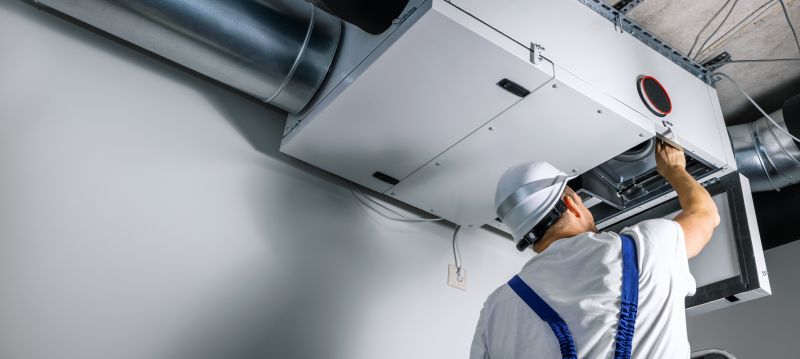
When selecting a contractor for ductwork replacement, it’s important to consider their experience with similar projects. Homeowners should look for service providers who have a proven track record of handling ductwork replacements comparable in scope and complexity to their own needs. An experienced local contractor will be familiar with common challenges and best practices, which can contribute to a smoother installation process and a more reliable outcome. Gathering information about past projects can help gauge whether a particular professional has the relevant expertise to meet specific requirements.
Clear written expectations are essential for ensuring that both parties are aligned on the scope of work, materials, and any other project details. Homeowners should seek out service providers who are willing to provide detailed estimates or written proposals that outline what will be done, the materials involved, and any warranties or guarantees offered. Having these expectations documented helps prevent misunderstandings and provides a reference point throughout the project. Clear communication from the outset can also foster a more transparent and professional working relationship.
Reputable references and good communication are key indicators of a dependable local contractor. Homeowners should consider asking for references from previous clients who had similar ductwork replacement projects completed. Speaking with past customers can offer insights into the contractor’s reliability, work quality, and professionalism. Additionally, service providers who communicate clearly and promptly-whether through phone, email, or in-person interactions-are often more responsive and easier to work with. These qualities can contribute to a smoother project experience and help ensure that expectations are met throughout the process.
Property owners use Ductwork Replacement services for practical projects around their homes and businesses. This guide focuses on everyday jobs and straightforward project options.
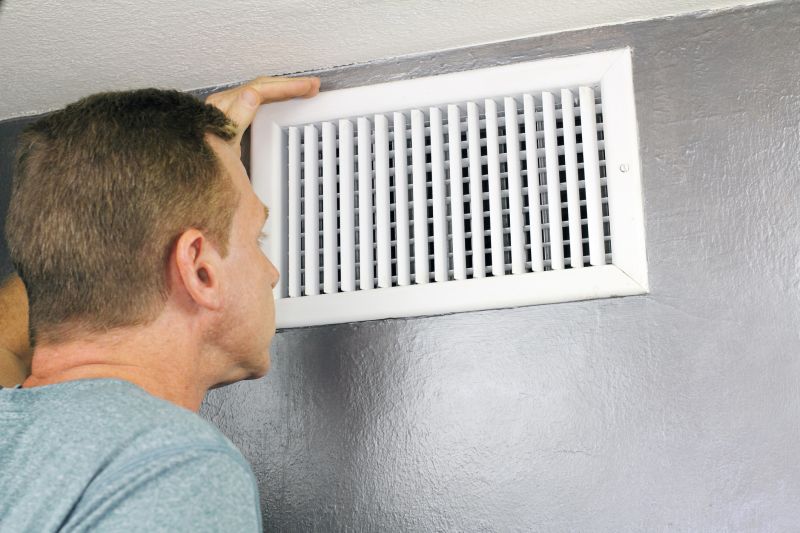
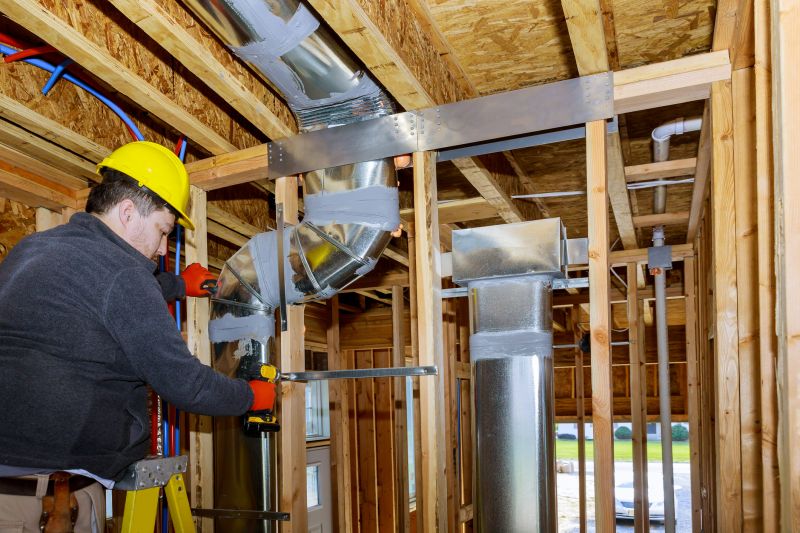
Ductwork replacement is often needed when property owners notice uneven heating or cooling throughout their space, increased energy bills, or persistent indoor air quality issues. Over time, duct systems can become damaged, develop leaks, or simply become outdated, reducing their efficiency and effectiveness. Local contractors are available to assess the condition of existing ductwork and recommend suitable replacement options that can improve overall comfort and system performance.
In many cases, property owners seek ductwork replacement during major renovations or when upgrading HVAC systems. Aging or deteriorated ducts may no longer meet the demands of modern heating and cooling equipment, leading to inconsistent temperatures and higher energy consumption. Service providers in the area can handle these projects efficiently, helping ensure the duct system functions properly and supports a healthy indoor environment.
When should ductwork be replaced? Ductwork should be considered for replacement if it shows signs of significant damage, such as tears, rust, or excessive leaks, which can affect indoor air quality and system efficiency.
How can I tell if my ductwork needs replacement? Signs include uneven heating or cooling, increased energy bills, visible mold, or persistent dust and debris around vents, indicating that the duct system may need replacement.
What are the benefits of replacing old ductwork? Replacing outdated ductwork can improve indoor air quality, enhance HVAC system efficiency, reduce energy costs, and ensure better airflow throughout the space.
Are there different types of ductwork materials available? Yes, common materials include flexible ducts, sheet metal, and fiberglass, each offering different benefits depending on the application and building requirements.
How do local contractors handle ductwork replacement projects? Local service providers assess the existing duct system, recommend suitable replacement options, and perform installation to ensure proper fit and function for your space.
Improve Indoor Air Quality - Replacing old or damaged ductwork can help ensure cleaner air circulation throughout a home or office.
Upgrade HVAC Efficiency - Installing new duct systems can enhance heating and cooling performance, leading to more consistent temperatures.
Address Air Leaks and Loss - Service providers can identify and seal leaks in existing ducts to reduce energy waste and improve comfort.
Prepare for System Repairs or Installation - Ductwork replacement can be part of a larger project to upgrade or install a new heating, ventilation, and air conditioning system.
If you are thinking about Ductwork Replacement for a property, this guide is meant to help you understand the work, the typical project types, and how different options might fit your plans.
When you are ready, you can use the quote form on this page to share a few details about your project. From there, local pros can review the basics and respond with options that match what you have in mind.